
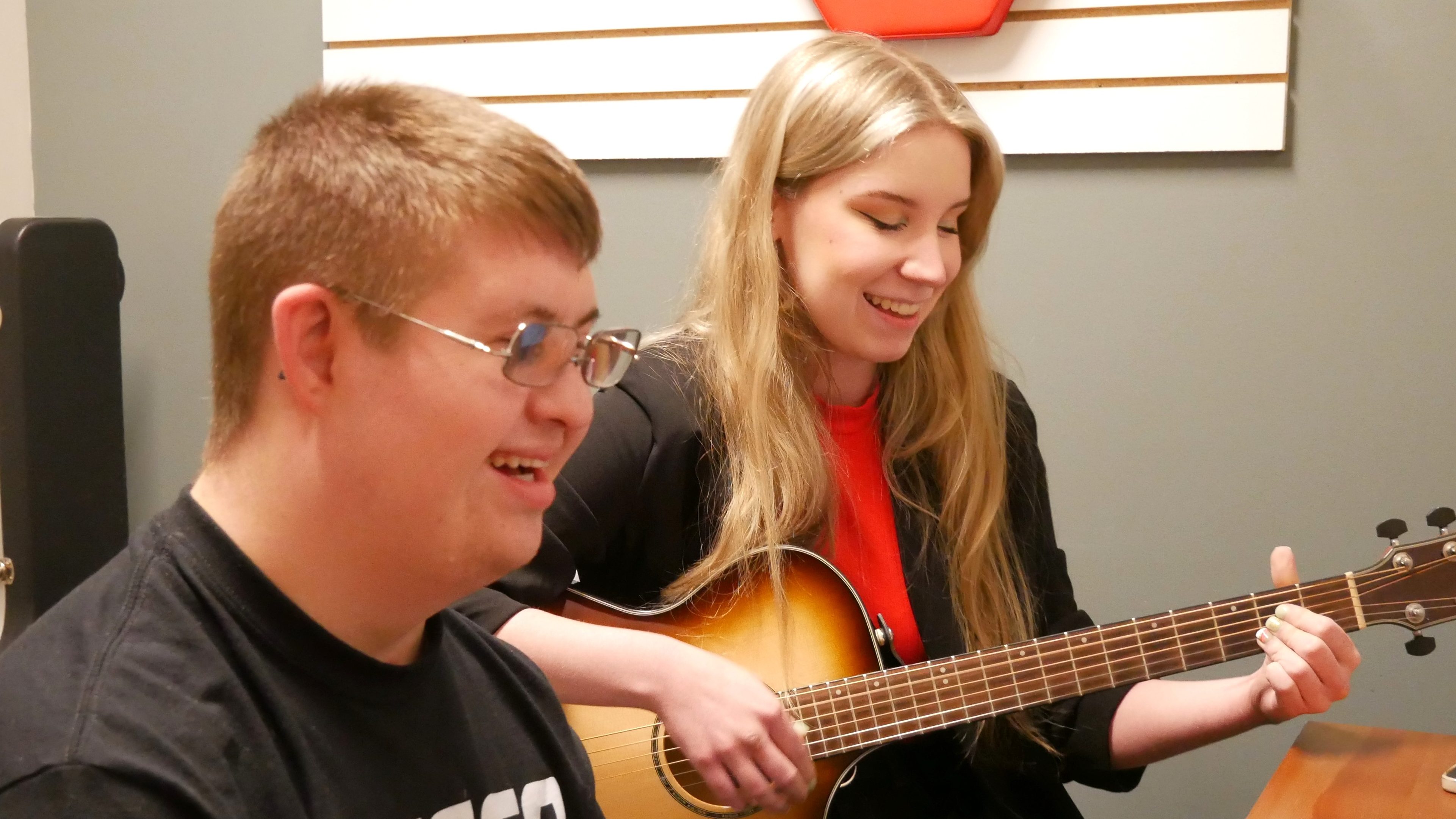

As music therapists, one of the simplest and most effective ways to enhance your sessions is by integrating your client’s personal musical preferences. By tailoring music to what resonates with each client, you create a therapeutic environment that feels familiar, comforting, and engaging. Let’s explore how to uncover your client’s musical tastes and use that knowledge to design a person-centered therapy experience.
Why Personalizing Music is Crucial
When you personalize music choices, you’re doing more than just playing songs—it’s about recognizing each client for who they are. Clients are more likely to engage in therapy when their values are heard and respected. This connection builds trust and helps clients feel understood.
Tailoring music therapy can:
- Increase Engagement: Familiar music encourages active participation.
- Enhance Emotional Connection: Clients can relate to the music on a personal level.
- Build Trust: Taking their preferences into account shows respect for their individuality.
Step 1: Ask the Right Questions
Understanding your client’s musical preferences begins with asking insightful questions, such as:
- “What types of music do you enjoy?”
- “Do any songs hold special memories for you?”
- “Is there music that helps you relax?”
- “Is there music you don’t like or that’s hard to listen to?”
- “Do you prefer singing, playing instruments, or listening?”
These questions help you build a picture of their preferences and emotional associations with music. If the person you are supporting is unable to answer these questions, then it’s time to employ your observation skills to view their responses to various musical components. (learn more about Active Listening in our previous post here)
Step 2: Match Music to Emotional States and Goals
Once you know what your client likes, match the music to their current emotional state and therapy goals:
- For Relaxation: Choose calming genres or instrumental music that aligns with their preferences. (note this does not always equal slow music!)
- For Emotional Expression: If they’re working through anger or sadness, incorporate more intense or reflective music.
- For Confidence or Motivation: Upbeat, empowering songs can help boost morale and motivation.
Step 3: Explore Music-Based Activities
Now that you’ve got a sense of your client’s preferences, incorporate them into therapeutic activities:
- Active Listening: Play a favorite song and discuss its emotional impact, or use it as an opportunity to connect with each other.
- Improvisation: Allow clients to experiment with instruments or voice, matching the music style they enjoy or respond most to.
- Songwriting or Singing: Adapt songs or create new ones together based on their experiences.
Step 4: Be Flexible
Your client’s preferences and needs may change over time, so it’s important to stay flexible. Regularly check in with them about how they feel about the music and adjust as necessary.
Personalizing music therapy to your client’s tastes not only enhances their experience but also strengthens your relationship with them. By incorporating their favorite music, you create a safe and engaging space that encourages trust and deeper emotional connection. Whether it’s calming music for relaxation or motivating songs to boost confidence, personalized music choices can make all the difference in their progress toward growth.

2025: A Few Of Our Favorite Things
🎶 Our Team’s Favorite Music Therapy Ideas: “These Are A Few Of Our Favorite Things”! 🎁 Music therapists—this one’s for you! Whether you’re looking to freshen up your music therapy session ideas, explore new instruments that spark engagement, or find creative tools that elevate your clinical work, our annual Favorite Things for Music Therapists list…

Benefits of Music Therapy in Hospice Care
There’s something sacred about the space that forms near the end of life. It’s a space filled with deep love, reflection, and sometimes, quiet heaviness. Families gather. Time slows. Emotions swell. And in this space, music can do something both incredibly simple and incredibly powerful, it can hold us. As a music therapist in hospice…
DIRFloortime Parent Coaching
Today Mainstay launches our new DIRFloortime Caregiver Training Program! DIRFloortime is a person-centered approach that helps promote development through playful interactions within the context of a meaningful relationship. DIR is an initialism that stands for Developmental, Individual Differences, Relationship-Based model and Floortime is the practical application of these principles into the play the caregiver does…
Follow Learn With Mainstay on instagram for more professional tips and resources to improve your practice.


One response to “Personalizing Music Choices in Music Therapy”
[…] Singing in a group can be an incredibly bonding experience. It allows clients to harmonize, blend their voices, and feel like they are part of something larger than themselves. Group singing promotes emotional expression, builds confidence, and strengthens social bonds among clients. Using Personalized Music Choices can be beneficial (read more about Personalized Music Choices in Music Therapy here). […]